A Gentle Meditation on Wonder and Imagination
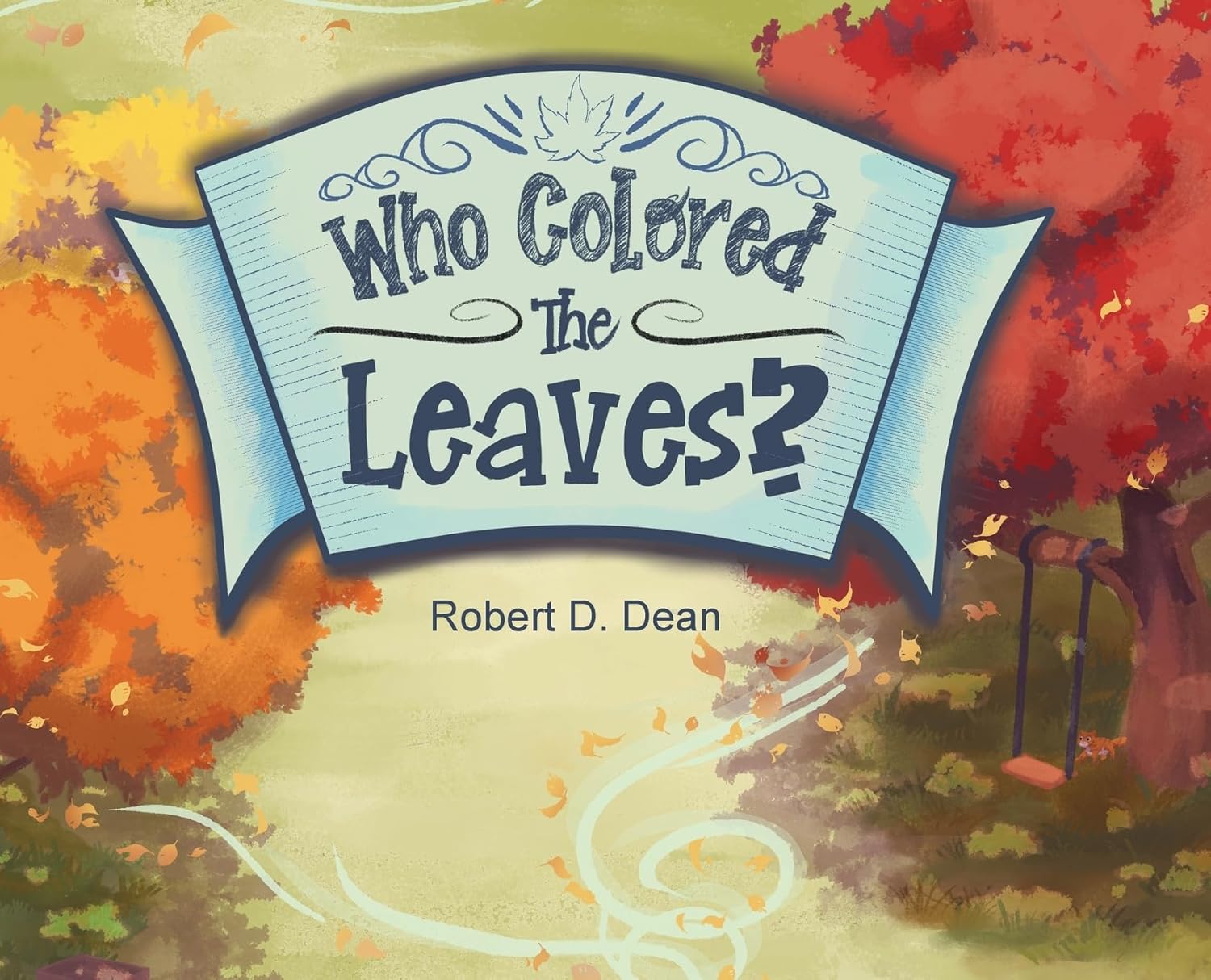
Who Colored the Leaves? by Robert Dean is a quiet, contemplative children’s picture book that leans into curiosity rather than instruction. Framed as a simple question, the story invites young readers—and the adults reading alongside them—to pause and consider the small mysteries that surround everyday life.
Rather than relying on overt moral lessons or high-energy plot devices, the book adopts a reflective tone that feels deliberately unhurried. The central question about the changing colors of leaves becomes a gateway to imagination, encouraging children to explore possibilities beyond literal explanations. This approach respects a child’s natural sense of wonder and avoids underestimating their capacity for abstract thought.
The language is accessible and well-suited for bedtime reading. Sentences are clear and rhythmic, making the text easy to follow while still leaving space for interpretation. The simplicity of the narrative allows the illustrations to carry much of the emotional and imaginative weight—an appropriate balance for a picture book intended for young audiences.
What distinguishes Who Colored the Leaves? is its cross-generational appeal. While firmly rooted as a children’s story, its gentle pacing and reflective mood offer something to adult readers as well. The book functions as a shared reading experience, prompting conversation rather than delivering answers. In that sense, it aligns more closely with classic bedtime stories that value atmosphere and curiosity over resolution.
That said, readers seeking a strong narrative arc or a clear conclusion may find the book intentionally open-ended. This openness appears to be a conscious choice, reinforcing the theme that not every question requires a definitive answer. For its intended purpose—a calming, thoughtful bedtime story—this restraint works in the book’s favor.
Overall, Who Colored the Leaves? succeeds as a soft, imaginative exploration of curiosity, making it a fitting choice for children and “grown-ups” who appreciate quieter storytelling moments.