Michelle Obama’s ‘The Look’ defines Modern Grace
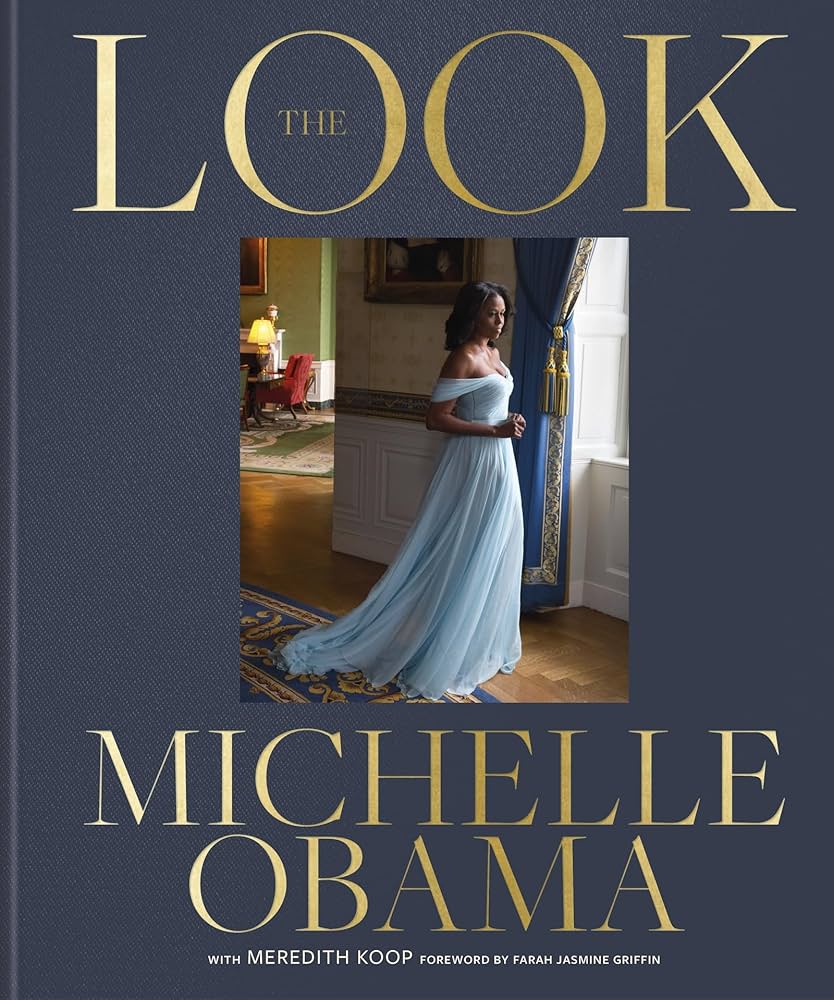
Michelle Obama’s The Look opens with a premise anchored in quiet intimacy rather than spectacle: a deeply personal reflection on identity, visibility, and the many ways a woman learns to inhabit her own presence in a world determined to define it for her. The opening immediately signals that this is not a political memoir or a retread of earlier narratives; instead, Obama uses a single theme—how we are seen and how we choose to be seen—to pull the reader into a broader examination of confidence, self-worth, and legacy. It’s a strong hook because it’s rooted in lived experience rather than grand declarations.
The pacing unfolds with measured control. Obama blends anecdote, reflection, and cultural commentary in a rhythm that feels intentional rather than linear. Some sections move swiftly, carried by vivid slices of personal history; others linger, digging into emotional or societal complexities. This shifting cadence generally works, though there are moments when the narrative slows under the weight of extended introspection. Still, the transitions are smooth, and the book maintains enough narrative propulsion to prevent the reflective passages from becoming static.
Character depth—Obama’s own, and that of the people who have shaped her—is the book’s backbone. She presents herself with a balance of vulnerability and firmness, rejecting the polished veneer that public life often demands. Her accounts of early insecurities, evolving ambition, and the burden of scrutiny feel unfiltered and grounded. The secondary portraits—family, mentors, critics—add dimension without slipping into hero-worship or caricature. A few individuals are sketched more lightly than their impact might deserve, but the emotional clarity remains intact.
Obama’s writing style is polished, articulate, and unmistakably confident. She has a talent for distilling complex ideas into accessible language without losing nuance. Her prose leans warm but never syrupy, direct but not blunt, and thoughtful without wandering into sentimentality. On occasion, the thematic framing becomes overly deliberate, as if striving too hard to tie disparate moments back to the central motif. Even so, the book’s voice remains steady, compelling, and unmistakably her own.